
30th September 2026
How To Build The Ultimate Tool Kit For Your Trade
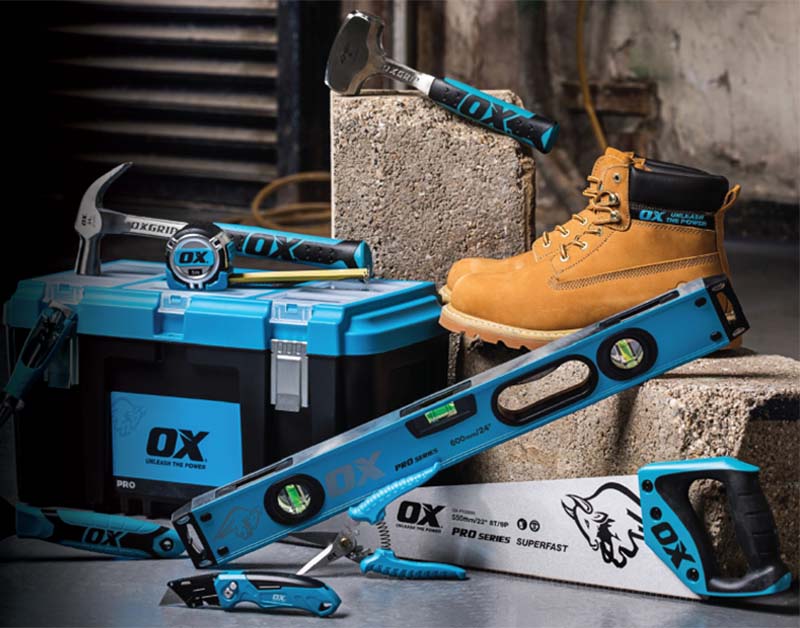
Whether you're a professional contractor heading to a job site every day or a tradesperson building your kit from the ground up, having the right tools can make a major difference.
The ideal tool kit isn't necessarily the biggest one. It's the one that gives you the equipment you need for the work you actually do, while keeping everything organised, accessible and ready to go.
Every trade has its own requirements, but most professional tool kits start with a core selection of versatile equipment. From there, your kit should evolve around the materials you work with, the projects you take on and the tasks you carry out most often.
In this guide, we'll look at the foundations of a professional toolkit before exploring the specialist tools and equipment that carpenters, drywallers, plasterers, and general contractors may want to consider.
What Should Every Professional Tool Kit Include?
Before getting into trade-specific equipment, it's worth establishing the tools that form the foundation of most professional kits.
These are the tools you'll rely on across a wide range of jobs, so investing in durable, dependable equipment here can make sense before adding more specialist items.
Tool Storage and Organisation
A professional toolkit isn't just about what you carry; it's also about how easily you can access it.
A quality tool belt or pouch can keep frequently used equipment close at hand when you're working around a job site, while larger tool bags provide space for equipment that doesn't need to be on your belt throughout the day.
The right storage setup will depend on how you work, how much equipment you typically carry and whether you need to move frequently between different areas of a site.
At OX Tools USA, explore:
Measuring, Marking and Levelling
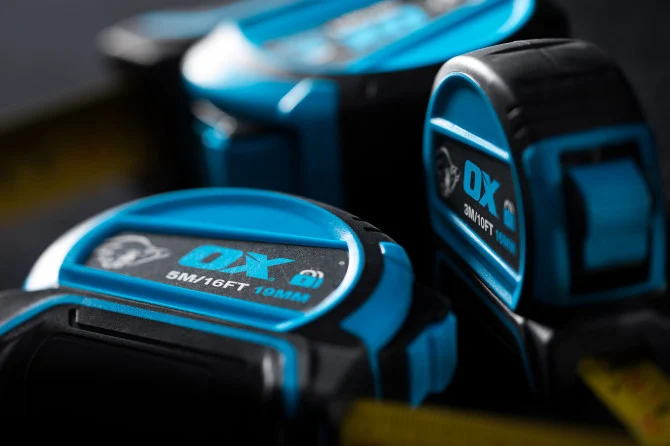
Accurate measurement is fundamental to almost every construction job. Whether you're setting out a wall, checking an installation or preparing material for cutting, reliable measuring and levelling equipment helps you work accurately from the start.
Consider the types of work you undertake when choosing your equipment. Different projects may call for different lengths of levels, measuring tools, or marking equipment, so there isn't necessarily a single setup that works for everyone.
Explore the OX Tools USA range of levels and marking tools
Cutting Equipment
Cutting is another common requirement across construction, but the right equipment depends heavily on what you're cutting.
A carpenter working primarily with timber will have different requirements from a contractor cutting masonry or a drywaller preparing panels. Your kit may therefore include a combination of hand cutting tools, saws and power-tool accessories.
OX Tools USA offers a range of general cutting tools, saw blades and diamond blades for suitable construction applications.
Striking and Demolition
Even if demolition isn't your primary trade, renovation, repair and installation work can involve removing existing materials or making adjustments to a structure.
A selection of reliable striking and demolition tools can therefore be useful beyond dedicated demolition work. The exact tools you need will depend on the materials you're working with and how often you perform removal or preparation work.
Building a Tool Kit for Different Trades
Once you've covered the basics, the way you build your toolkit should become much more specific to your work.
A carpenter may spend most of the day measuring, cutting and assembling timber. A drywaller has different priorities around panel preparation, installation and finishing, while a plasterer's kit is built around preparing surfaces, applying materials and achieving the required finish.
Rather than trying to own every tool available, think about the jobs you perform most often. Build your everyday kit around those tasks, then add specialist equipment when a particular project requires it.
Carpenter Tool Kit
Carpentry can cover everything from structural framing to detailed finish work, so the ideal toolkit will depend heavily on the type of carpenter you are.
For framing and general construction work, durability and efficiency are particularly important. A carpenter may spend much of the day cutting timber, fixing components and making adjustments on site, so tools need to withstand repeated use.
For Framing and Structural Work
A framing-focused kit may include:
- Framing hammer
- Framing square
- Circular saw and appropriate blades
- Reciprocating saw
- Drill/driver and impact driver
- Chisels
- Pry bars and nail pullers
- Appropriate fasteners and fixings
A dedicated framing hammer can be particularly useful where you're carrying out repeated striking and fastening work, while a combination of saws and suitable blades allows you to adapt to different cutting requirements.
For Finish Carpentry and Installation
Finish carpentry places greater emphasis on precision and clean results. Depending on the work, you may want to add:
- Fine-tooth saw blades
- Chisels and detail-cutting tools
- Clamps
- Trim tools
- Nailers
- Installation accessories
- Fine finishing equipment
The important thing is to build around the type of carpentry you actually undertake. A framing carpenter and a finish carpenter may both need a hammer and saw, but the way those tools are used and the specifications they require can be very different.
Drywaller Tool Kit
Drywall installation involves several distinct stages, from preparing and positioning panels through to jointing and finishing. As a result, a drywaller's kit needs to support both speed and accuracy.
The basic tools in your wider construction kit provide a starting point, but drywall work calls for several more specialised pieces of equipment.
Preparing and Installing Drywall
Accurate cutting and positioning are essential when working with drywall panels. Depending on the project, your kit may include:
- Drywall knife or utility knife
- Drywall saw
- Drywall rasp
- Screw gun or drill/driver
- Drywall lift for larger installations
- Appropriate fixings
- Measuring and marking equipment
A drywall lift can be particularly useful on larger installations, helping position panels while reducing the need to manually support them during fitting.
Jointing and Finishing
Once panels are installed, the focus shifts from construction to achieving a clean, consistent finish.
Joint knives, taping tools and corner tools can all have a role depending on the finishing system you're using. Sanding equipment may also be required to prepare surfaces before decoration.
For installation and finishing work, a caulk or sausage gun can also be useful when applying compatible sealants and adhesives.
The exact combination will depend on whether you primarily install drywall, carry out finishing work or manage the complete process from installation through to final preparation.
Plasterer Tool Kit
Plastering has a very different workflow from carpentry or drywall installation. Instead of building the kit around cutting and assembly, the focus is on preparing surfaces, mixing materials, applying plaster and achieving a consistent finish.
Preparation and Mixing
Good preparation can have a significant impact on the finished result.
Depending on the materials and scale of the job, a plasterer may need:
- Mixing buckets
- Paddle mixer
- Mixing drill
- Scrapers
- Surface preparation tools
- Dust sheets and protective equipment
Having suitable mixing equipment becomes increasingly important when working with larger quantities or materials that require consistent mixing.
Application
The tools used to apply plaster will depend on the material, application method, and required finish.
A typical plasterer's kit may include:
- Hawk
- Trowels
- Joint knives
- Application tools
- Specialist plastering tools
Different trowels and application tools can provide different levels of control, so experienced plasterers will often build their kit around the materials and finishes they work with most frequently.
Finishing and Surface Preparation
The final stage is all about achieving the required surface.
Floats, scrapers and sanding tools may all be part of the finishing process, while suitable levels are useful for checking straight edges, surfaces and finished work.
For repair and renovation projects, it can also be useful to have striking and removal tools available to remove existing material or prepare areas for replastering.
General Contractor Tool Kit
General contractors have a slightly different challenge. Rather than building a toolkit around a single trade, they often need to move between different materials, applications, and stages of a project.
That doesn't necessarily mean carrying every tool to every job.
Instead, a modular approach can make more sense.
Build Around Your Everyday Kit
Start with the tools you use, regardless of the project. These are the pieces of equipment that should be easy to access and ready to go whenever you arrive on site.
Your everyday setup might include your preferred storage solution, measuring equipment, general cutting tools and basic striking equipment.
Add Tools Based on the Project
From there, build additional tool groups around the work you're carrying out.
For example:
- Working with masonry or concrete: suitable diamond blades and cutting accessories
- Installation work: compatible caulking and adhesive equipment
- Renovation projects: additional striking and demolition equipment
- Timber work: appropriate saws, blades and cutting equipment
- Drywall or finishing: specialist application and finishing tools
This approach can help prevent your everyday kit from becoming unnecessarily heavy while still ensuring you have access to the equipment a particular project demands.
Don't Forget Accessories and Consumables
A professional toolkit isn't complete without the accessories and consumables that keep your primary tools working effectively.
Blades wear down, components need replacing and different materials can require different accessories. Keeping the right replacements available means you're less likely to lose time because a frequently used item needs replacing halfway through a job.
Depending on your trade, this could include:
- Replacement saw blades
- Diamond blades
- Drill and driver accessories
- Fasteners and fixings
- Sealants and adhesives
- Replacement tool components
- Sanding and finishing materials
It's also worth considering the materials you'll encounter most frequently. Buying the right accessory for the application can be just as important as choosing the right tool itself.
Build Your Professional Tool Kit with OX Tools USA
From everyday hand tools and tool storage to specialist equipment, cutting accessories and trade-specific products, OX Tools USA provides professional-grade equipment for demanding jobs and working environments.
Build your toolkit around the work you do most often, then add the specialist tools and accessories you need as your projects evolve.